
The on-campus garden is inspired by First Lady Eleanor Roosevelt and is a continuation of the work that began on the South Lawn during the Obama administration.
First Lady Obama made international headlines when she broke ground on the South Lawn to make way for an 1,100-square-foot garden on March 20, 2009. It was the first major vegetable garden on the grounds since Eleanor Roosevelt’s World War II Victory Garden, which served as the blueprint for First Lady Obama. The original garden featured more than 55 varieties of fruits and vegetables and grew to be 2,800 square feet by the end of the Obama administration.
“The garden was discussed and envisioned from day one,” said Sam Kass, former White House chef, senior policy advisor for nutrition, and executive director of First Lady Obama’s Let’s Move! Campaign. He was an informal advisor to the Obama Presidential Center. “It was a key part of the plan.”
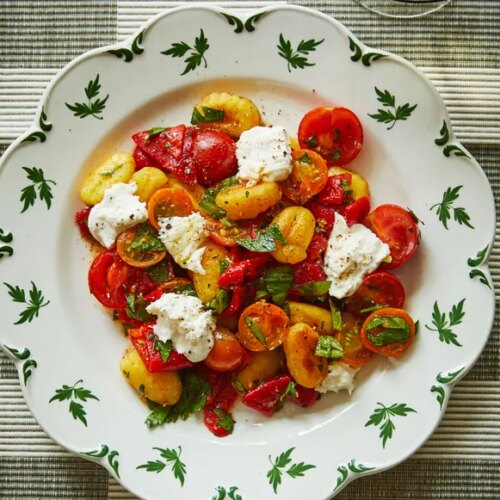
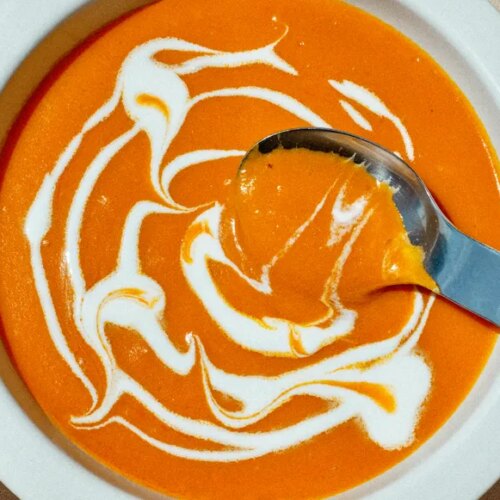
The garden is currently growing kale, collards, fennel, peas, beets, carrots, lettuces and edible flowers. As the seasons change, the crops will transition to summer offerings including sweet and hot peppers, cucumbers, tomatoes, watermelon, legumes and pollinator-friendly flowers like zinnia and sunflower. Produce grown in the gardens will be used on-site at the restaurants.
“The [White House] garden was a radical thing to do,” said Kass. “It now seems so normal that there’s a vegetable garden on the South Lawn of the White House, but picking the most iconic lawn in the world and planting eggplants, peppers and collard greens was something that was met with a lot of skepticism initially.”
What began as a national conversation about food, health, and access during the Obama administration is now being embedded physically in South Shore, the South Side neighborhood that shaped First Lady Obama’s early life. The center embraces food as a civic engagement tool, turning simple produce into community infrastructure.
“During much of the time we were creating the presidential center, it didn’t have a grocery store within walking distance for this community,” said Strautmanis. “It is very meaningful that the Obamas chose to make this investment here and provide access and opportunity to explore the food we eat, where it comes from, how it’s made.”
The Obama’s “family-first” approach shaped the development of the food program.
“Mrs. Obama has really always been focused on families and wanted to ensure families could feel comfortable here,” said Strautmanis. In particular, the center’s teaching kitchen will offer classes for children. A branch of the Chicago Public Library, in partnership with the Chicago Botanic Garden, will operate a seed library, distributing free seeds to curious gardeners. And of course, guest chefs will be invited to highlight different parts of the city.

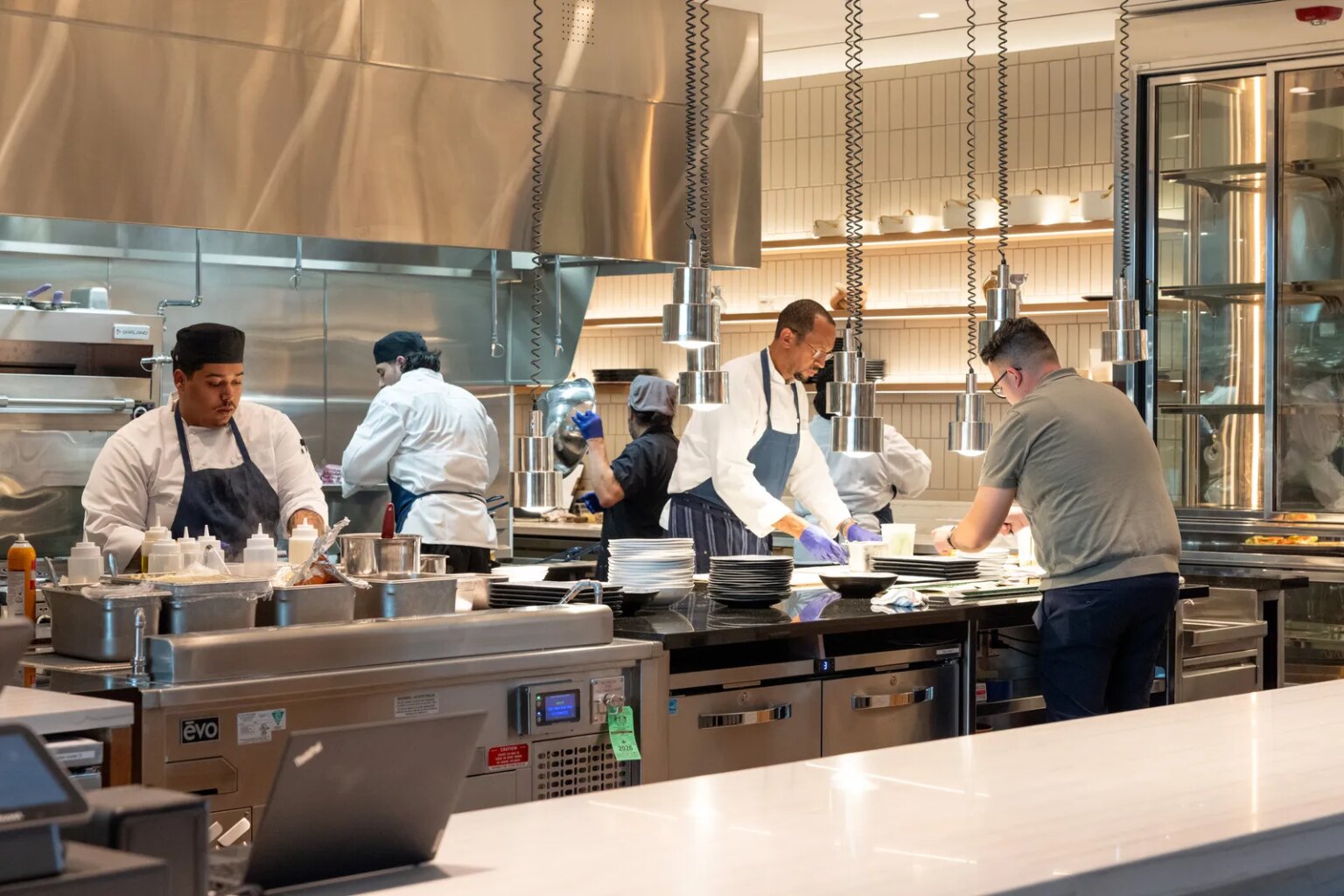
Tafari’s Kitchen at The Obama Presidential Center in Chicago, IL, on May 12, 2026. (The Obama Foundation)Please credit “The Obama Foundation.” The photographs may not be manipulated in any way, and may not be used in commercial or political materials, advertisements, emails, products, or promotions that in any way suggest approval or endorsement by the Foundation, President Obama, or Mrs. Obama without the Foundation’s prior written consent.Courtesy of The Obama Foundation